


Pick the Right Technologies to Build Your Business Resilience On
As 2025 progresses, many businesses are shifting focus from short-term adaptation to long-term resilience. They’re preparing for a future marked by economic uncertainties, evolving customer expectations, and rapid technological advancement.Technology plays an important role in helping organisations achieve this new end state. 40% of organisations worldwide are taking a proactive approach to purchasing new technology, becoming leaders and early adopters, according to the 2020 IDC-Maxis Digital Technology Assessment.
These technologies should provide organisations with a solution that can secure digital environment while processing elastic, on-demand needs with real-time data for actionable insights.
To this end, IDC has identified four technologies – cloud, software-defined networking (SDN), Internet of Things (IoT), and cybersecurity – that will help Malaysian organisations meet today’s challenges. The IDC-Maxis Digital Technology Assessment 2020, commissioned by Maxis, throws the spotlight on where Malaysian organisations stand when it comes to these four technologies.
1. Cloud
The study found that Malaysian organisations are still showing strong demand for cloud services, which aligns with worldwide trends. However, they still struggle with cloud migration, and a lack of talent and education about cloud services.
Here is the clincher: 93% of those surveyed say they have adopted cloud technologies but 60% still operate on a legacy infrastructure, which results in inefficient performance and security challenges.
What many of these cloud adopters lack are organisational leaders who can support the standardisation of processes across the enterprise, enabling consistent data protection and security while addressing business needs. Many also must deploy and manage hybrid and multicloud environments more effectively.
2. SDN
Even before the pandemic, organisations worldwide have been expanding their network geographically, decentralising network architecture frameworks to cater to a mobile and remote workforce.
This comes with challenges: A quarter (25%) of respondents in the IDC-Maxis survey say IT operations need to be more responsive to business demands, while 33% are worried about growing cybersecurity threats with decentralisation.
Other challenges were:
- The inability to incorporate emerging technologies
- Constraints on IT budget, skills and time, and misaligned strategic goals
SDN plays a key role in overcoming these challenges. About 65% of surveyed organisations indicated that they plan to upgrade their networks to SDN technology, despite Malaysia still being in the early phases of SDN adoption.
3. IoT
The disruption of supply chains and demand patterns has made it imperative for organisations to use real-time analytics for proactive decision-making. In Malaysia, 24% of respondents have already deployed IoT business solutions, according to the IDC-Maxis study.
IoT has helped organisations with business continuity and cost optimisation as well as with new revenue streams for the next normal.
Among survey respondents, 76% cite real-time visibility as their main adoption driver for IoT. Other drivers of IoT in Malaysia are increased productivity and cost reduction.
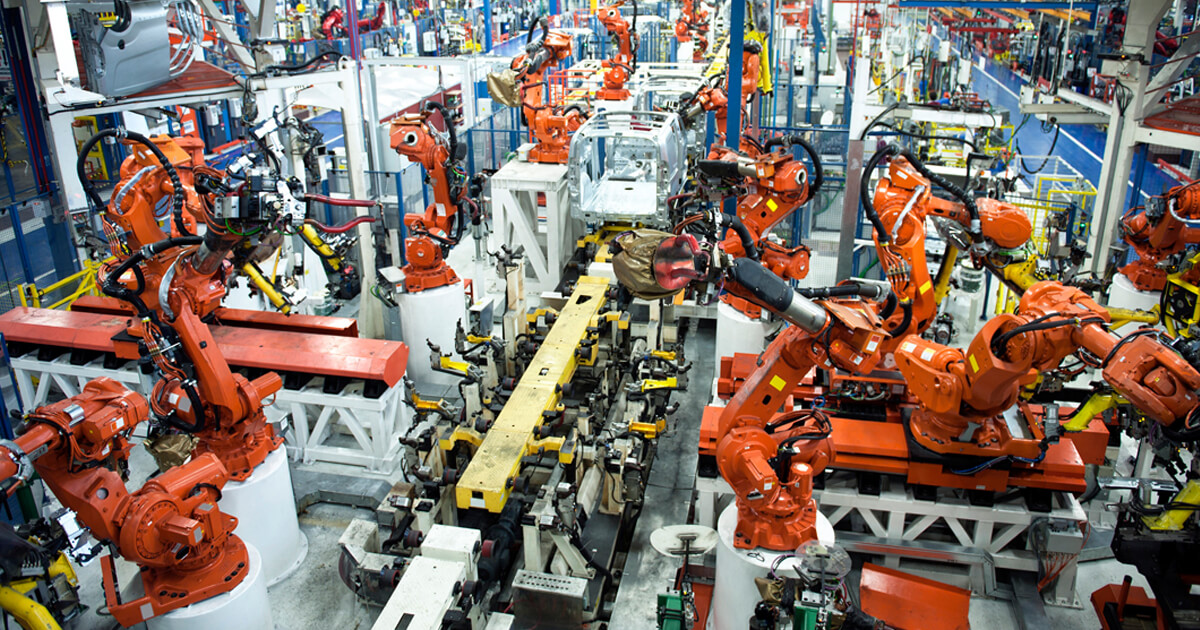
Manufacturing will see one of the biggest boons from IoT as factories become increasingly automated.
4. Cybersecurity
By now, cybersecurity has become a focus in many organisations and businesses around the world, including Malaysia. This year, the increase in remote working and a larger mobile workforce have exposed data and applications to a new and wider spectrum of attacks.around the world, including Malaysia. This year, the increase in remote working and a larger mobile workforce have exposed data and applications to a new and wider spectrum of attacks.
Yet, only 8% of the respondents in the IDC-Maxis survey uses end-to-end security management. Without an integrated approach to security, Malaysian organisations lack full visibility over their suite of security solutions which manage cyber threats. CIOs have to align strategic goals internally and identify the data that needs to be protected.
Staying Ahead in the Digital Economy
To thrive in today’s digital economy, Malaysian organisations must continue investing in foundational technologies that support agility, security, and scalability. The convergence of enterprise technology services, automation, and intelligent analytics is reshaping how businesses compete.
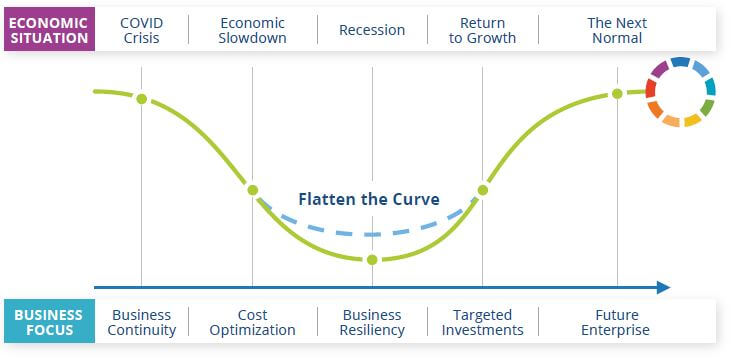
Adopting digital business models is no longer optional; it’s a requirement to stay relevant. Whether it's enhancing customer experiences, streamlining operations, or enabling real-time decision-making, organisations need a digital-first approach backed by robust infrastructure.
Additionally, emerging technologies such as the AI augmented workforce are transforming how businesses operate. By integrating artificial intelligence into day-to-day processes, companies are empowering employees with smarter tools that boost productivity, reduce repetitive tasks, and enable higher-value work.
IDC recommends that organisations take these four steps when it comes to adoption of these four technologies:
- Use data to drive strategic priorities
- Deploy your digital technologies end-to-end
- Automate your processes
- Fast-track DX through partnerships